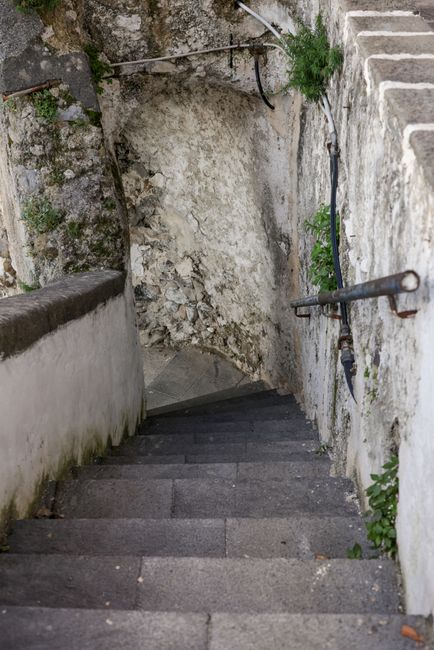
Narrow stairway moves in Kensington man and van solutions
Moving through a narrow stairway can turn a simple relocation into a careful little puzzle. In Kensington, where period conversions, basement flats, elegant townhouses, and awkward landings are part of everyday life, that puzzle comes up a lot. Narrow stairway moves in Kensington man and van solutions are built for exactly this kind of job: tight turns, steep steps, delicate furniture, awkward corners, and the kind of access that makes a normal van-only move feel clumsy at best.
If you are trying to move a sofa, mattress, wardrobe, or a stack of packed boxes without scraping walls or exhausting everyone involved, you are in the right place. This guide breaks down how these moves work, why they matter, what to expect, and how to choose a sensible approach that protects your belongings and your sanity. Let's face it, nobody wants to carry a chest of drawers down four flights of a Victorian staircase and discover halfway through that it was never going to fit anyway.
Below, you will find practical guidance, common mistakes to avoid, and a realistic look at what makes a Kensington tight-access move smoother. If you are comparing services, you may also find it useful to look at the broader man and van options and the wider range of removal services available locally.
Table of Contents
- Why Narrow stairway moves in Kensington man and van solutions Matters
- How Narrow stairway moves in Kensington man and van solutions Works
- Key Benefits and Practical Advantages
- Who This Is For and When It Makes Sense
- Step-by-Step Guidance
- Expert Tips for Better Results
- Common Mistakes to Avoid
- Tools, Resources and Recommendations
- Law, Compliance, Standards, or Best Practice
- Options, Methods, or Comparison Table
- Case Study or Real-World Example
- Practical Checklist
- Conclusion
- Frequently Asked Questions
Why Narrow stairway moves in Kensington man and van solutions Matters
Narrow staircases change everything. A move that would be straightforward in a block with a lift can become tricky in a Kensington terrace with a curved banister, shallow steps, and a landing that barely gives you room to turn. Add in parked cars, busy roads, and the realities of London property layouts, and you quickly see why a standard one-size-fits-all approach often falls short.
These moves matter because the risk is not just inconvenience. Tight stairwells can lead to chipped paintwork, damaged furniture edges, strained backs, and delays that snowball the rest of the day. Even something as ordinary as a washing machine can become a problem if there is no proper turning space. The right man and van setup helps reduce that risk by using the correct team size, carrying equipment, and route planning before anyone lifts a thing.
There is also a time factor. In practice, a carefully planned tight-access move often goes faster than a rushed one. That sounds slightly backwards, but it is true. A few minutes spent measuring and assessing access can save an hour of awkward repositioning later. If your staircase feels like it was designed by someone who disliked furniture, planning becomes the real hero.
For Kensington residents, this is especially relevant because many homes and flats are attractive, characterful, and old enough to have quirks. Those quirks are lovely until moving day. Then they become the thing everyone is talking about. A good moving approach respects the building as much as the items being moved.
How Narrow stairway moves in Kensington man and van solutions Works
The process usually starts with access assessment. That means checking the staircase width, ceiling height on the turns, railings, banisters, corridor space, and whether larger items can actually clear the landing. The mover may ask for measurements or photos in advance. That is not fussiness; it is the difference between a tidy job and a stressful one.
Once the access is understood, the team chooses the most practical method. Sometimes the answer is disassembly. Sometimes it is protective wrapping and a two-person carry. Sometimes the item can be pivoted, tilted, or removed in parts. A sofa that looks too large can surprisingly make it through if the cushions, feet, or arms are taken off. A wardrobe, by contrast, may need full dismantling before it even leaves the room.
On the day, a narrow stairway move typically involves:
- protecting walls, corners, and banisters
- clearing the route from the room to the van
- breaking down items where appropriate
- using lifting straps, sliders, blankets, or trolleys where useful
- moving slowly on turns and landings
- checking load balance before items are placed in the vehicle
There is a rhythm to it. Calm, measured, no drama. The best crews do not rush stairs; they read them. That may sound almost too simple, but in a narrow stairway, the building tells you what it will allow. You just have to listen.
For some jobs, the stairway is only one part of the challenge. If the move is part of a full flat relocation, the team may also coordinate with flat removals or a broader home moves plan, especially where access, parking, and time slots all need to line up neatly.
Key Benefits and Practical Advantages
The obvious benefit is that your items are handled more safely. But there are several quieter advantages that people often only notice afterwards.
- Less damage risk: careful handling reduces knocks to furniture, walls, and stair edges.
- Better access planning: the right vehicle and team can work around Kensington's tighter streets and older buildings.
- Faster problem solving: experienced movers spot access issues before they become delays.
- Reduced physical strain: carrying awkward items down narrow stairs is hard on your back, knees, and grip.
- More predictable timings: a well-prepared move is easier to schedule around work, childcare, or building access windows.
There is also a mental benefit, which people sometimes underestimate. Moving is already noisy, messy, and emotionally flat-out exhausting. If the staircase itself becomes a source of stress, the day can feel endless. A good solution takes a bit of weight off the whole experience. That matters more than people admit.
And if you are moving something valuable or delicate, like a piano, artwork, or antique cabinet, the benefit becomes even clearer. The right approach is not about brute force. It is about control. Sometimes the most professional thing is not lifting harder, but slowing down.
Who This Is For and When It Makes Sense
Narrow stairway moves in Kensington man and van solutions make sense for anyone dealing with difficult internal access, but they are especially useful for a few common situations.
Typical examples
- people moving from basement or upper-floor flats with awkward stairwells
- households in period buildings with tight turns and narrow landings
- students and young professionals moving furniture into compact Kensington rentals
- small offices or studios relocating equipment through stairs rather than lifts
- anyone moving bulky items that may not fit through a standard doorway path
It also makes sense if you are not sure whether a full removal lorry is even appropriate. Sometimes a van-based approach is easier because it is more flexible in the street, quicker to load, and better suited to smaller or partial moves. If you are comparing options, it can help to look at removal van solutions alongside man with van support, especially for lighter loads and narrow access.
Not every move needs a large crew. In fact, overcommitting can create more hassle. If your job is a few items, a single helper and the right equipment may be exactly enough. The key is honest assessment. If the staircase is tight and the furniture is bulky, pretending otherwise is how trouble starts.
Step-by-Step Guidance
Here is a practical way to approach a narrow stairway move without making it more complicated than it needs to be.
- Measure the tricky points. Check the narrowest width, the landing space, and any turns where furniture must pivot.
- Photograph the route. A few clear pictures of the staircase, doors, and hallway can reveal more than a quick description.
- List bulky items first. Sofas, beds, wardrobes, appliances, and desks should be identified early. These are usually the access troublemakers.
- Decide what can be dismantled. Removing legs, doors, shelves, and handles can make a huge difference. Simple job, big payoff.
- Protect the route. Use blankets, corner guards, and floor protection where needed to reduce scratches and scuffs.
- Plan parking and timing. In Kensington, parking and access windows can affect the whole move. Keep this practical, not optimistic.
- Move the most awkward item first if possible. That way, if it needs a different approach, you find out early rather than at the end of the job.
- Load the van methodically. Heavy items should be secured properly so they do not shift during travel.
- Double-check the property on departure. Look for overlooked drawers, chargers, keys, and small parts. Tiny things are great at hiding.
One useful habit is to treat the staircase as the main route, not just an obstacle. Walk it slowly before moving day if you can. You will notice the awkward spots almost immediately: the low bit near the ceiling, the turn that pinches, or the banister that leaves barely enough room for a mattress edge. That quick walk-through can save a lot of head-scratching later.
Expert Tips for Better Results
Experience helps most where the move looks simple on paper but turns fiddly in reality. A few small choices can make a very big difference.
- Remove packaging early: oversized cardboard can make already-bulky items harder to carry through a narrow staircase.
- Use soft, non-slip gloves: they improve grip without making your hands clumsy.
- Keep a clear "pause space": a small landing or hallway area where the team can safely reposition an item is surprisingly valuable.
- Angle before you lift: some furniture clears better when tilted, not forced straight through.
- Label dismantled parts: bags for screws and fittings should be taped to the item or clearly marked.
- Do not guess at weight: what feels manageable for one person may be awkward on stairs. It usually is.
If you are hiring help, ask whether the team has handled similar properties in Kensington before. Not because every house is identical, of course, but because local familiarity can speed up the day. A mover who already understands the realities of tight-access streets, shared entrances, and awkward staircases tends to arrive with a better plan.
Another small tip: prepare the exit route from your flat or house before the moving team arrives. Shoes, plants, bins, bikes, and the odd umbrella stand have a way of appearing in the worst possible place. It sounds obvious. It still gets missed.
Common Mistakes to Avoid
A lot of moving problems come from assumptions. People assume the sofa will fit. They assume the staircase is only "a bit narrow." They assume the job will be fine because it looks fine from the hallway. In practice, those assumptions are what cause delays.
- Not measuring properly: estimating stair width by eye can be misleading, especially on turns.
- Ignoring banisters and lighting fixtures: the item might fit the width but still snag on a corner or light fitting.
- Forcing furniture through: one hard push is often enough to scratch wood, chip paint, or twist a frame.
- Leaving dismantling until the last minute: once the team is on site, time pressure makes careful prep harder.
- Booking the wrong vehicle size: too small creates multiple trips; too large can be awkward on local streets.
- Overloading the team: more items do not automatically mean more speed. Sometimes it slows everything down.
There is a quieter mistake too: not admitting when an item is genuinely awkward. A wardrobe with a fixed back panel, for example, may simply not be a stair-move item without dismantling. Being honest saves time and stress. That kind of honesty is not defeat. It is just good moving sense.
Tools, Resources and Recommendations
For narrow stairway moves, the right tools make the work safer and more controlled. You do not need an arsenal, just the correct basics.
| Tool or resource | What it helps with | Why it matters |
|---|---|---|
| Moving blankets | Protecting walls, doors, and furniture edges | Reduces scuffs and absorbs small knocks |
| Furniture straps | Improving grip and balance | Makes awkward carries steadier on stairs |
| Corner protectors | Shielding tight turns and sharp edges | Useful where stairways pinch around corners |
| Tape, bags, and labels | Keeping screws and fittings together | Prevents missing parts during reassembly |
| Measuring tape | Checking width, height, and clearance | Prevents guesswork and surprises |
Beyond tools, useful resources include clear access photos, room-by-room item lists, and a simple move plan. If your relocation is part of a larger flat or house move, services such as packing and boxes or packing and unpacking services can save a surprising amount of time. Packing well really does show up later, especially when furniture has to be threaded through a staircase like a needle through fabric.
If you are moving valuable items, make sure the team is covered by appropriate insurance and safety arrangements. That is not a box-ticking exercise; it is basic peace of mind.
Law, Compliance, Standards, or Best Practice
For London moves, a practical understanding of access, safety, and building rules matters. Different buildings and streets can have their own restrictions, and Kensington properties often come with extra layers of consideration: shared entrances, concierge arrangements, parking constraints, and neighbour sensitivity. You do not need legal jargon to deal with that, but you do need a sensible plan.
Best practice usually includes:
- checking building access rules in advance
- confirming parking or loading arrangements where relevant
- protecting communal areas and stairwells
- lifting safely and avoiding unnecessary manual strain
- being clear about fragile or high-value items before the move starts
For larger or more complex jobs, especially if waste or packing materials are involved, it is worth understanding local expectations around responsible disposal. The page on recycling and sustainability is a sensible place to start if you want to keep the move tidy and responsible rather than leaving a trail of cardboard and bubble wrap behind you.
Companies should also be clear about terms, payment, and complaints handling. You may never need those pages, and that is the ideal outcome. But having them visible does help build trust. If anything goes sideways, it is better to know where you stand.
Options, Methods, or Comparison Table
There is no single correct method for narrow stairway moves. The best option depends on the item, the stair shape, the time available, and how much dismantling is possible.
| Approach | Best for | Advantages | Limitations |
|---|---|---|---|
| Careful two-person carry | Medium items and manageable stairs | Simple, controlled, quick to organise | Not ideal for very bulky or heavy furniture |
| Dismantling before moving | Wardrobes, beds, desks, some sofas | Often creates the best clearance | Requires time, tools, and reassembly |
| Protective wrap and pivot method | Items with awkward corners | Helps avoid damage on turns | Needs experienced handling |
| Partial move with storage | When access or timing is limited | Reduces pressure on the move day | May add an extra step in the process |
Sometimes the smartest move is not the fastest one. If a staircase is especially tight, temporary storage can help stage the job in a more manageable way. That is particularly useful for larger homes or when the new place is not ready yet. In those cases, looking at storage alongside your removals plan can make the whole process feel far less frantic.
Case Study or Real-World Example
Imagine a two-bedroom flat near a busy Kensington road, with a narrow internal staircase and a sofa that looked fine in the old lounge but suddenly felt enormous on moving day. The hallway bends sharply at the top of the stairs. The stairwell is clean but tight. There is no lift, and the landing only gives a small turning space.
In a situation like that, a good crew would usually do the following: measure the sofa and the route, remove detachable feet, wrap the corners, clear the hall, and test the angle before committing to the full carry. If the sofa still refuses to cooperate, the team may choose to dismantle part of it or plan an alternative route if the property allows one. That calm, step-by-step approach often saves the day.
What does this look like in real time? There is usually a pause at the first turn, a quick rethink, and then a small adjustment. Maybe the sofa needs to go in vertically for a moment. Maybe one end has to be lifted higher. Sometimes there is a brief silence while everyone works out the angle, and then it clicks. That is the kind of moment that makes experienced movers valuable: not because they are superhuman, but because they have seen enough awkward stairs to know when patience beats force.
In homes like this, the difference between a smooth move and a frustrating one usually comes down to planning, not muscle. To be fair, that is true of most good removals jobs.
Practical Checklist
Use this before the moving team arrives, or before you attempt the move yourself.
- Measure the narrowest stair width and the key turns.
- Take photos of the staircase, landings, and any low ceilings.
- List all bulky items that may need dismantling.
- Confirm whether the property has lift access, shared entrances, or loading restrictions.
- Protect floors, walls, and corners where needed.
- Pack hardware, cables, and small fittings in labelled bags.
- Clear hallways, doorways, and landings of clutter.
- Check whether parking arrangements are required outside the property.
- Decide which items should travel first and which can be handled later.
- Keep valuables, documents, and essentials separate from the main move.
If you can tick off most of that list, the move will usually feel much more manageable. Not perfect, maybe. But manageable, which is really what most people need on moving day.
Get a free quote today and see how much you can save.
Conclusion
Narrow stairway moves in Kensington man and van solutions are all about fit, patience, and good judgement. A difficult staircase does not automatically mean a difficult move, but it does mean you need the right preparation, the right tools, and a realistic plan. Measure first, protect the route, think carefully about dismantling, and choose a service that understands Kensington's older buildings and tight-access layouts.
The good news is that most stairway problems are solvable with the right approach. You do not need to dread the day, and you certainly do not need to improvise your way through every corner. A bit of planning goes a long way. And when the last box is down, the stairwell is clear, and you are standing in the new place with the kettle on, it feels worth it. That moment is always a relief, isn't it?
Frequently Asked Questions
What makes narrow stairway moves in Kensington different from a normal move?
Kensington often has period properties, compact hallways, and staircases with awkward turns or limited landing space. That means moving furniture safely is less about speed and more about careful planning, correct angles, and the right equipment.
Can a man and van service handle a sofa up a narrow staircase?
Often, yes, but it depends on the sofa's size, shape, and whether it can be dismantled. Detachable feet, arms, or cushions may make all the difference. If the sofa is especially bulky, photos and measurements are worth sharing in advance.
How do I know if my furniture will fit through the stairwell?
Measure the narrowest width, the height at each turn, and the landing space. Then compare those measurements with the item's longest and widest points. If the route looks marginal on paper, it probably is. Photos help a lot too.
Should I dismantle furniture before moving day?
Where possible, yes. Beds, wardrobes, desks, and some sofas often move more safely when partially dismantled. Even small changes, like removing legs or shelves, can make a narrow stairway much easier to manage.
Is it safer to hire professionals for tight-access moves?
Usually, yes, especially if you have heavy or valuable items. Professionals are used to awkward angles, protective wrapping, and lifting safely on stairs. That said, the right outcome still depends on clear information and honest preparation from both sides.
What should I tell the mover before the job?
Share the stair dimensions if you have them, photos of the route, details of bulky items, parking concerns, and any building rules or access restrictions. The more accurate the information, the better the plan.
Do narrow stairway moves take longer?
Often they do, because every turn, landing, and lift has to be handled more carefully. But a well-prepared move can still be efficient. The goal is not rushed movement; it is controlled movement.
What equipment is useful for stairway moves?
Moving blankets, straps, corner protectors, floor protection, labels, and basic dismantling tools are all useful. The exact setup depends on the items and the property, but those basics cover a lot of situations.
What if the item cannot fit at all?
If it cannot be safely moved through the stairwell, the next step may be dismantling, alternative access planning, or short-term storage. Forcing it through is usually a bad idea. A good mover will help find the least stressful option.
Are narrow stairway moves more expensive?
They can be, depending on the extra time, labour, and equipment needed. The price is usually influenced by access difficulty, item size, distance, and whether dismantling or additional handling is required. A clear quote is the best way to avoid surprises.
How can I reduce damage during a stairway move?
Clear the route, protect corners and walls, wrap furniture properly, and avoid dragging items. If an object is awkward, pause and reset the angle instead of forcing it. A slower start is often cheaper than a repair later.
What is the best next step if I am not sure my staircase is suitable?
Take a few photos, measure the tightest points, and request a careful assessment before moving day. That is usually enough to identify whether the item can be carried as-is, needs dismantling, or would benefit from a different approach.