Fulham Road commercial removals for shops and galleries
Posted on 29/05/2026
Fulham Road Commercial Removals for Shops and Galleries: a Practical Guide for a Smooth Move
Moving a shop or gallery on Fulham Road is not just a matter of loading boxes into a van and hoping for the best. There are fragile displays, stock counts, customer footfall, tight access, awkward parking, and often a very small window to get everything done before trading resumes. If you are planning Fulham Road commercial removals for shops and galleries, the difference between a calm move and a chaotic one usually comes down to planning, sequencing, and choosing the right type of removal support.
This guide walks through what the process really involves, how to reduce risk, and how to make sensible decisions at each stage. Whether you are relocating a boutique, clearing a gallery, shifting a stockroom, or simply moving a few high-value pieces across South Kensington, you will find practical steps here that are useful in the real world, not just in theory.
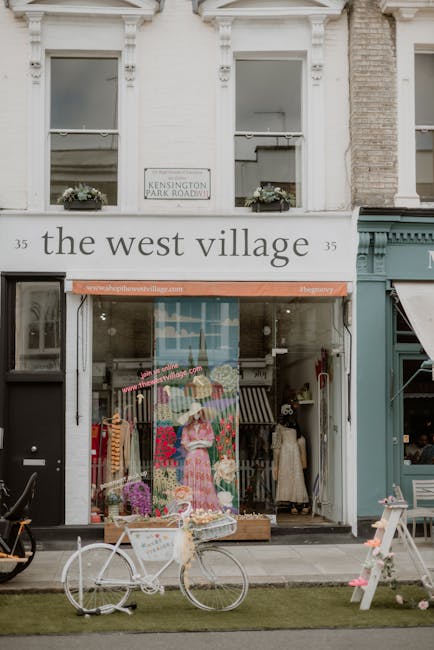
Why Fulham Road commercial removals for shops and galleries Matters
Fulham Road is a busy, characterful stretch where presentation matters and timing matters even more. Shops need to protect merchandise, tills, fixtures, mirrors, shelving, and branding materials. Galleries face a different challenge: artworks, frames, plinths, lighting, delicate hanging systems, and the very real need to avoid damage, dust, or unnecessary handling. A move here is rarely simple, even if the distance is short.
That is why commercial removals on Fulham Road should be treated as a business continuity task, not just a transport job. Every hour you spend disorganised is an hour you are not trading, not exhibiting, and not serving customers. Truth be told, a poorly managed move can cost more in lost time than in removal fees.
For many businesses, the biggest issue is not the lifting. It is the coordination around the lifting. Can the team access the building easily? Is there lift access? Will packing materials be ready? Has the receiving site been cleared? Will fragile pieces be moved last, or stored first? These questions are the difference between a controlled move and one that turns into a long evening with a tape gun and a headache.
If your relocation is part of a wider change, such as a new shop fit-out or a gallery refresh, it can help to look at broader service options too, like general removal services in South Kensington or office removals for business premises, depending on the layout and the type of items involved.
How Fulham Road commercial removals for shops and galleries Works
A good commercial removal usually follows a simple but disciplined pattern: survey, plan, pack, protect, move, unload, and settle in. The details change depending on whether you are moving a fashion shop, a design showroom, an independent gallery, or a mixed-use space with storage above or behind the main floor.
The first stage is usually a site review or a detailed conversation about access and inventory. This is where the practical questions come out: how much stock is moving, which items are delicate, what needs disassembly, and what should be moved after closing hours. In our experience, this early conversation saves the most time later. A lot of it.
Then comes the packing strategy. Shops often need a blend of labelled cartons, wardrobe-style hanging protection, wrapping for fixtures, and secure handling for electronics. Galleries need another layer of care: artwork crates, corner protection, acid-free or non-marking materials where appropriate, and a clear movement plan for each piece. If there is expensive furniture in the mix, a service such as furniture removals in South Kensington may be especially relevant.
On moving day, commercial removals teams generally focus on controlled loading order. Heavier and less fragile items go first, sensitive items last, and any pieces needed for immediate setup are loaded in a way that makes them easy to unload in sequence. For shops and galleries, that order matters more than people think. Nobody wants to unpack a checkout counter before the display plinths have even arrived.
For short-notice jobs, or when you only need a smaller vehicle and a couple of movers, a more flexible option such as man and a van in South Kensington can sometimes be enough. But for larger premises or high-value contents, a fuller team and a dedicated vehicle are often the safer choice.
Key Benefits and Practical Advantages
Commercial removals are about reducing friction. That sounds dull, but it is genuinely valuable. When a business moves efficiently, staff can focus on customers, artists, buyers, or reopening tasks rather than on which box contains the cable ties. A well-run move can also protect the image of the business. For shops and galleries on Fulham Road, image is not a side issue. It is part of the product.
Here are some of the main benefits:
- Less downtime: careful planning can help you reopen sooner.
- Lower damage risk: professional wrapping and handling reduce breakages and scratches.
- Better stock control: labelled loads and inventory checks make it easier to find everything again.
- Stronger presentation: galleries and retail spaces can be set up in a more intentional way at the new site.
- Less pressure on staff: your team can keep doing their jobs instead of improvising a move.
There is also a less obvious benefit: better decision-making under pressure. Once the plan is clear, you stop guessing. That calm has value. Especially on a London street where deliveries, pedestrians, and parking realities can all make life a bit more spirited than you expected at 8:15 in the morning.
For businesses comparing options, it can be useful to review competitive pricing information alongside the service level being offered. A cheaper quote is only useful if it actually covers the handling and timing your move needs.
Who This Is For and When It Makes Sense
This kind of move is relevant to a surprisingly wide range of businesses. Some are obvious. Others less so. If your premises contain items that are valuable, fragile, branded, custom-made, or awkward to handle, you are already in commercial removal territory whether the space is large or not.
The most common users are:
- retail shops moving to a new Fulham Road unit or a nearby street
- art galleries relocating exhibitions, stock, or entire premises
- showrooms shifting display furniture and presentation items
- small studios and creative spaces with mixed equipment and storage
- businesses temporarily storing fixtures during refurbishment
It also makes sense if you are moving in stages. For example, a gallery might relocate archive materials one week and larger framed works the next. A shop might move back-of-house stock first, then front-of-house equipment after closing. That staggered approach can be very sensible, especially where access is limited or the business cannot shut for long.
If you are moving out of a property and into a temporary storage arrangement before reopening, you may also find storage solutions in South Kensington helpful. Sometimes the move is only half the story.
Step-by-Step Guidance
A structured move is usually a smoother move. Below is a practical sequence that works well for most retail and gallery relocations.
- Make a room-by-room or zone-by-zone inventory. Separate stock, display items, fixtures, office equipment, and anything fragile.
- Identify high-risk items early. Mirrors, framed art, glass shelving, electronics, lighting, and custom furniture should be flagged from the start.
- Measure access points. Doors, staircases, lifts, corridors, and loading areas can be the real bottlenecks, not the move itself.
- Confirm timings. Decide whether the move needs to happen before opening, after closing, overnight, or in a phased schedule.
- Pack and label with purpose. Use clear labels for each department, display area, or gallery wall reference if needed.
- Protect the destination space. Flooring, walls, and corners should be protected before unloading starts.
- Load in reverse order of need. Put the items you will need first where they can be unloaded first. Simple, but easy to get wrong.
- Check contents as they arrive. A quick cross-check at unloading prevents later panic.
- Set up the essentials first. Tills, lighting, core displays, or wall-hanging equipment usually come before the decorative extras.
A small but useful clarification: if the space has a mixture of retail stock and business records, do not pack them all together just because they fit in the same box. Future-you will not be grateful. Separate them, label them, and save yourself the rummaging later.
Expert Tips for Better Results
There are a few habits that consistently improve commercial moves on busy London roads like Fulham Road.
- Use a move map. Even a simple floor plan with item placement marked out makes unloading much quicker.
- Colour-code categories. For example, blue for stock, red for fragile, green for display, black for office items.
- Keep one box of essentials separate. Tape, cutters, charging cables, keys, basic cleaning cloths, and emergency paperwork should be easy to reach.
- Photograph displays before dismantling. It makes reinstallation much easier, especially for galleries and premium retail spaces.
- Choose the move time with traffic in mind. Early starts can be worth it. So can a slightly longer window if access is tight.
If your business needs removals that involve bulky or high-value items, it can also be sensible to review the team's approach to insurance and safety before the move is booked. Not because you expect trouble, but because good planning always includes a sensible back-up.
Another small tip: do not let the last hour before the move become a general tidy-up. That is how people end up throwing important things into random boxes and calling it organisation. It rarely works.
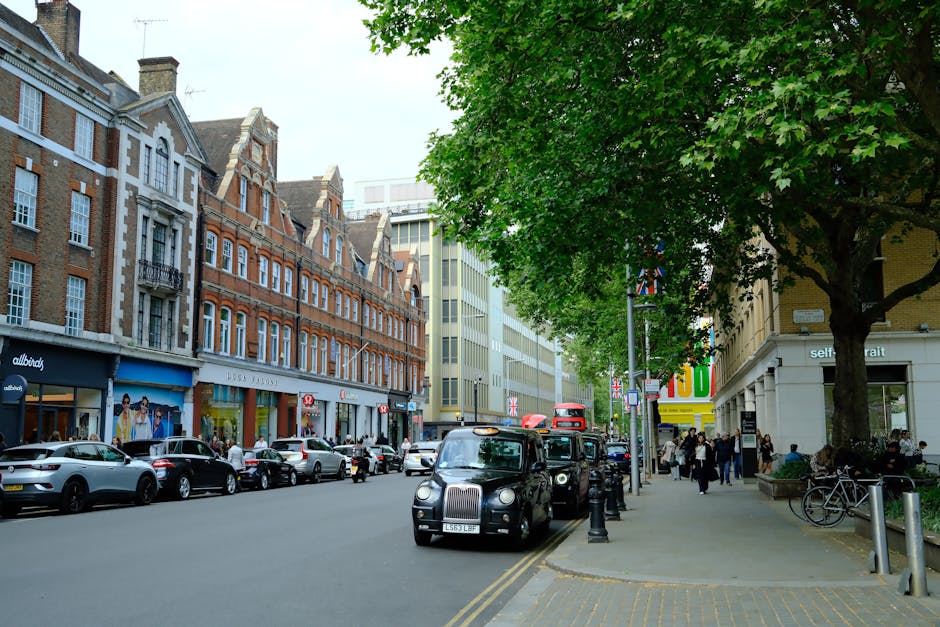
Common Mistakes to Avoid
Most moving problems are predictable. That is the frustrating part, and also the reassuring part, because it means they can be prevented.
- Underestimating access constraints. A van may be available, but that does not mean it can park where you want it to.
- Poor labelling. If every box looks the same, unpacking becomes slower and riskier.
- Leaving fragile items to the end. By the time everyone is tired, mistakes creep in.
- Not separating stock from display items. These need different handling, even if they are stored together normally.
- Forgetting the setup order. If you unload in the wrong sequence, you create extra lifting and extra stress.
- Choosing price alone. A quote without the right packing, timing, or access support can become expensive in other ways.
What usually causes the most trouble? Honestly, it is the stuff people assume will be easy. The one locked cabinet. The artwork with odd dimensions. The display shelving that looked simpler when it was assembled in the shop. The little things, as ever, are rarely little on moving day.
Tools, Resources and Recommendations
You do not need a warehouse full of equipment to make a commercial move work well, but the right tools do help. Most retail and gallery relocations benefit from a practical mix of packing supplies and planning aids.
Useful items typically include:
- strong moving boxes in mixed sizes
- tape, labels, markers, and inventory sheets
- bubble wrap, paper wrap, and protective blankets
- wardrobe cartons or hanging protection for garments
- corner guards and surface protection for frames or furniture
- trolleys, sack trucks, and lifting straps where suitable
If you are packing a shop or gallery yourself, a dedicated packing supply page such as packing and boxes in South Kensington can be a useful starting point for understanding what materials are typically needed. For smaller, more flexible moves, a removal van service may be enough, while larger relocations often benefit from a full crew and a more comprehensive plan.
You may also want to check operational details such as payment process and booking terms in advance. That sounds dull, but it prevents avoidable friction later. A move day should be about movement, not chasing paperwork.
Law, Compliance, Standards, or Best Practice
Commercial removals for shops and galleries are not usually about complex legal questions, but there are still important best-practice points to respect. The main ones are straightforward: protect people, protect property, and do not create avoidable risk during loading or transport.
For a business move in London, sensible best practice normally includes:
- clear responsibility for packing and asset labelling
- safe manual handling for heavy or awkward items
- route and access planning for the vehicle and crew
- documented handling of high-value or fragile goods
- careful treatment of any personal data, records, or confidential materials
Where artworks or unique merchandise are involved, the handling standard should be even higher. That does not necessarily mean elaborate procedures. It does mean consistency. If a piece needs special wrapping, it should get special wrapping every time, not only when someone remembers at the last minute.
It is also sensible to choose a removal company with clear internal policies around customer care, safety, and dispute handling. Pages such as health and safety policy, complaints procedure, and terms and conditions help set expectations before anything is booked.
Options, Methods, or Comparison Table
Not every Fulham Road move needs the same level of support. Here is a simple comparison to help you think it through.
| Option | Best for | Strengths | Limitations |
|---|---|---|---|
| Full commercial removal team | Larger shops, galleries, mixed contents, fragile items | Best control, stronger packing support, smoother sequencing | Usually costs more than smaller options |
| Man and van | Smaller moves, short-distance transfers, staged relocations | Flexible, often quicker to arrange | Less suitable for very delicate or high-volume jobs |
| Phased move | Businesses that cannot close fully | Reduces trading disruption, supports gradual setup | Needs more planning and coordination |
| Temporary storage first | Refurbishments, fit-outs, uncertain timelines | Creates breathing room and protects stock | Requires more handling and timing coordination |
If your business is weighing speed against convenience, a smaller service such as man with a van in South Kensington may work well for limited loads. For higher-value pieces, the more robust option is often the better investment. Not glamorous, perhaps, but practical.
Case Study or Real-World Example
Imagine a small gallery on Fulham Road preparing to move into a nearby unit after a lease change. The team has framed works, plinths, lighting, brochures, a back-office computer setup, and several awkwardly sized storage crates. The old space is narrow, the new space is empty, and the opening date is fixed. No one has time for improvisation.
The move is planned in phases. First, the gallery labels artwork by room and wall position, then separates display materials from archive storage. Fragile pieces are wrapped and grouped by handling needs, with the largest frames loaded in a position that keeps them upright and stable. The fixtures are moved after closing, and the destination floor is protected before anything comes off the van.
During unloading, the team sets up the essentials first: lighting components, reception items, and the core display pieces needed to prepare the opening layout. The back-office equipment follows, then the less urgent stock and archive items. Because the sequence was agreed in advance, the installation feels orderly rather than rushed. There is still a bit of dust, a bit of noise, and that familiar London feeling that everyone is moving a touch faster than they would like. But the important part is this: the gallery is ready on time, and nothing has been damaged.
That is the real value of good commercial removals. It is not just transport. It is continuity, confidence, and fewer surprises. And let's face it, surprises are overrated on moving day.
Practical Checklist
Use this checklist before your move date. It keeps things simple.
- Complete a full inventory of stock, display items, furniture, and equipment
- Identify fragile, high-value, or unusual items early
- Measure entrances, stairs, lifts, and loading access
- Confirm parking and vehicle access arrangements
- Decide whether the move will be phased or completed in one go
- Prepare labels for departments, rooms, or exhibition zones
- Set aside packing materials and essential tools
- Back up digital files and secure confidential paperwork
- Protect flooring, walls, and corners at both addresses
- Agree the loading and unloading order in advance
- Check what needs to be assembled first at the new site
- Review quotes, terms, and safety details before confirming the booking
Expert summary: The best Fulham Road commercial removals are the ones that reduce disruption before it starts. Clear inventory, clean access planning, careful packing, and a sensible unloading sequence will do more for your move than last-minute speed ever will.
Conclusion
Fulham Road commercial removals for shops and galleries demand more than muscle. They need judgment, patience, and a plan that respects both the property and the people using it. The closer the move gets to opening hours, the more valuable careful coordination becomes. That is especially true for shops with stock to protect and galleries with pieces that cannot simply be stacked and forgotten.
If you take one thing from this guide, let it be this: start with the inventory, build the access plan, and protect the items that matter most. Do that, and the rest becomes much easier to manage. Not effortless, of course. Moves rarely are. But much easier.
If you are comparing options or building a quote for a retail or gallery relocation, it is worth taking a moment to review service scope, timing, and safeguards before you commit. The right removal setup will save stress now and save time later.
Get a free quote today and see how much you can save.
Sometimes the calmest move is the one that was carefully thought through the week before, not the one that looked exciting on the day. A little preparation really does go a long way.
![Professional Movers Services at Unbeatable Prices in [LOGO_TITLE]](../../pub/actonmovers-banner.png)